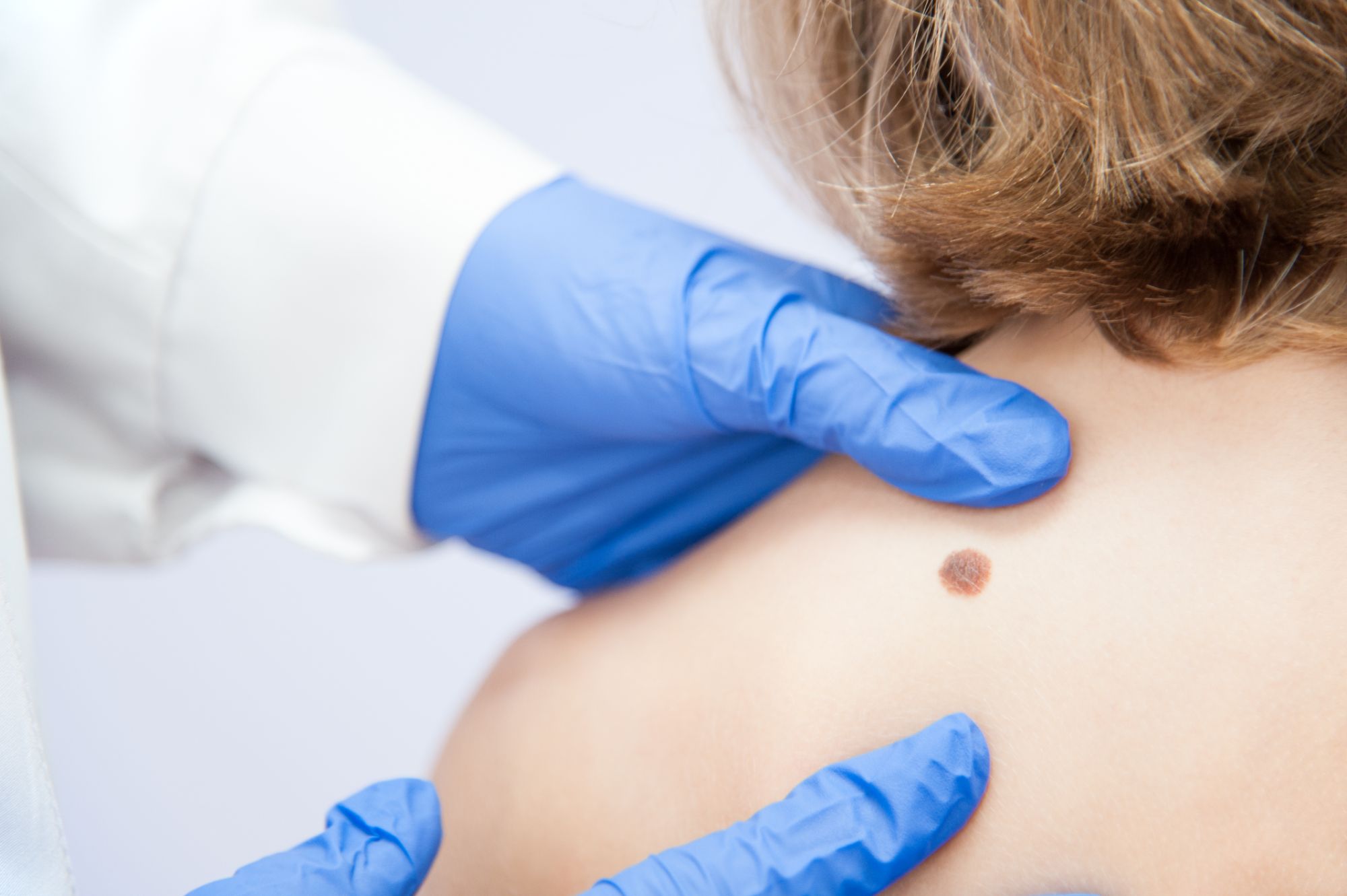
Discussing concerns about skin cancer with a dermatologist is a fundamental step in protecting your long-term skin health. Changes in moles, new growths, unusual spots, or skin lesions that do not heal properly require professional attention. Here is a closer look at how to talk to your dermatologist about your skin cancer concerns:
Prepare Appointment Details
Gathering relevant information before your visit is a key step in the diagnostic process. A well-documented medical history helps your dermatologist understand your risk factors, and it provides context for your current symptoms. You should document the following details to share with your provider:
- Family history: Note any close relatives who have had skin cancer in the past. Genetic predispositions play a fundamental role in your risk profile.
- Sun exposure habits: Document your outdoor activities and past tanning bed usage. Prolonged exposure to ultraviolet light damages the skin and leads to cellular mutations.
- Medication list: Write down all current prescriptions, over-the-counter drugs, and supplements you take. Certain immunosuppressant medications may increase your vulnerability.
- Symptom timeline: Record exactly when you first noticed the abnormal skin growth on your body. Changes in size or color are significant indicators, so you must track these variations accurately over time.
Bring these written notes to your consultation to make sure you cover every point. Organizing your thoughts beforehand maximizes your consultation, and it allows the physician to evaluate your risk of skin cancer efficiently.
Explain Your Concerns Clearly
When the doctor enters the examination room, you should state your primary reason for the visit directly. You should point out the specific mole or lesion that worries you, and you must describe any physical changes you have observed. If a spot bleeds or itches constantly, you need to report these symptoms without hesitation.
Visual aids can significantly enhance your verbal explanations. You may take photographs of the lesion over several weeks, and you can show these images to your dermatologist. When you provide photographic evidence, the doctor sees the exact progression of the issue. You should answer questions about your lifestyle truthfully, and you should not minimize your past sun exposure.
Ask the Right Questions
Asking questions helps you understand your condition and the available medical options. Patients sometimes leave the clinic with lingering doubts, but a proactive dialogue prevents this confusion. Here are some key questions to ask your dermatologist:
- What type of lesion is this? Ask the doctor to identify the growth and explain its characteristics.
- Do I need a biopsy? Inquire about the diagnostic procedures required to evaluate the abnormal skin growth.
- What are my treatment options? Request a detailed explanation of the available therapies for your specific condition.
- How often should I return for screenings? Establish a clear timeline for your future dermatological evaluations.
You should take notes while the dermatologist answers these questions. Writing down the responses helps you remember the information later, and it provides a reference for your personal health records.
Understand the Next Steps
Your appointment concludes with a clear plan of action. The dermatologist may schedule a biopsy, or they may recommend a follow-up visit in a few months. When the clinic staff provides instructions, you must follow them precisely to maintain your skin health. Waiting for test results often causes concern for patients. You should ask the clinic how they deliver laboratory results and who to contact if delays occur. If a biopsy confirms skin cancer, your physician will discuss the next phase of your medical care.
Schedule Your Skin Cancer Appointment
Early detection remains the most helpful tool against all forms of skin cancer. You should monitor your skin for any abnormal growth, and you should document these changes meticulously. If you notice a suspicious lesion, contact a qualified dermatologist near you to schedule your appointment for a skin cancer evaluation immediately.