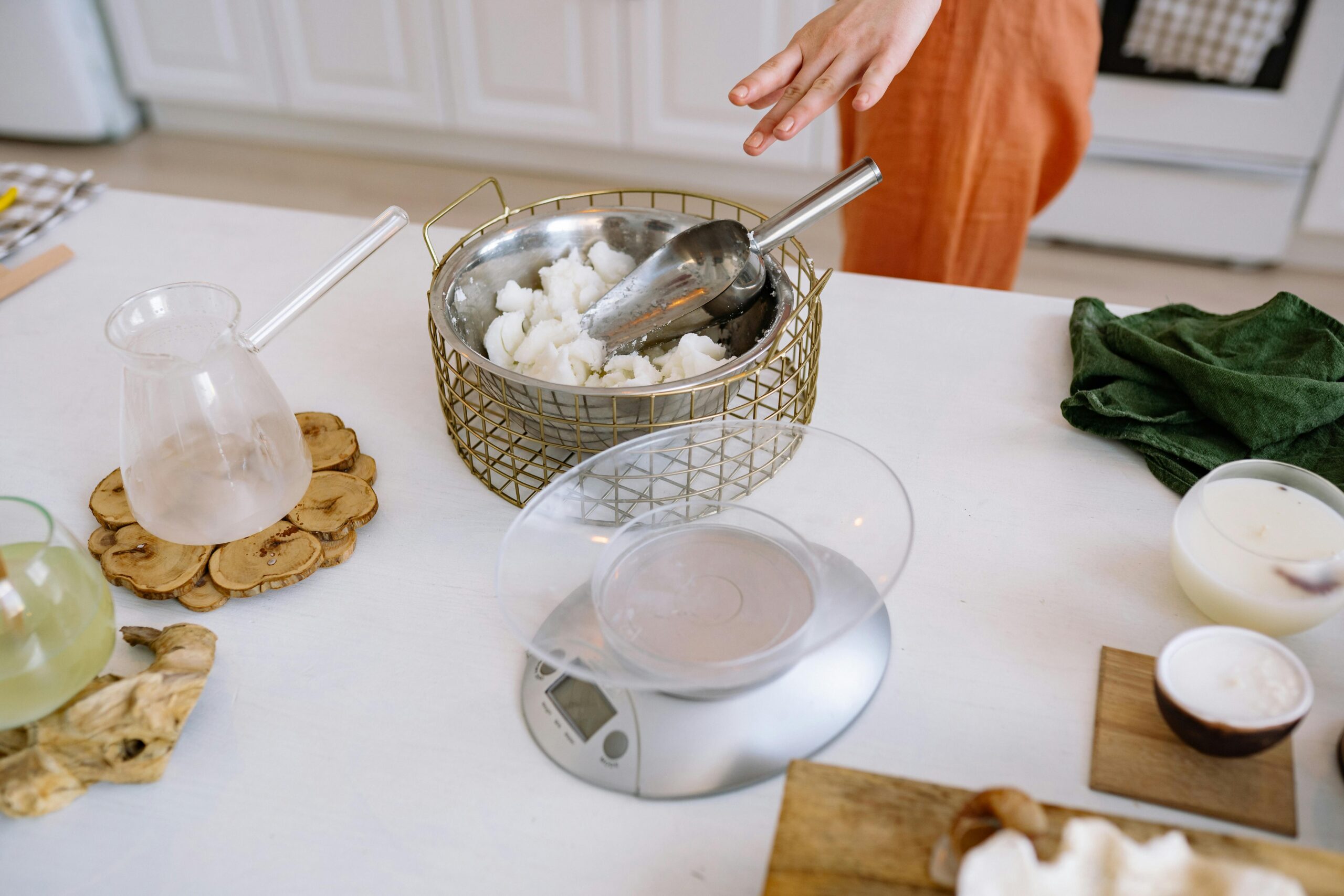
Overall wellness is not just about being free from illness. It is about feeling good in your body, calm in your mind, balanced in your emotions, and satisfied with your daily life. Many people think wellness requires expensive products, strict diets, or intense workouts, but real wellness is built through small, simple habits done consistently.
In this article, we will explore how to improve overall wellness in a realistic and achievable way. You don’t need to change everything at once. Even small steps can make a big difference over time.
Understanding Overall Wellness
Overall wellness includes several areas of life working together:
- Physical wellness – how your body feels and functions
- Mental wellness – your thoughts, focus, and stress levels
- Emotional wellness – how you handle feelings and relationships
- Social wellness – connection with others
- Lifestyle wellness – daily habits, sleep, and balance
When one area is ignored, the others often suffer. Improving wellness means caring for all these areas together, not perfectly, but mindfully.
1. Take Care of Your Body with Simple Habits
Your body is your foundation. When your body feels better, your mind and emotions often follow.
Eat Balanced, Not Perfect
You don’t need to follow a strict diet to improve wellness. Focus on balance:
- Eat more fruits and vegetables
- Include protein like eggs, beans, fish, or chicken
- Drink enough water throughout the day
- Reduce highly processed foods when possible
Listen to your body. Eat slowly, stop when full, and enjoy your meals without guilt.
Move Your Body Every Day
Movement is one of the easiest ways to improve overall wellness. You don’t need a gym:
- Go for a 20–30 minute walk
- Stretch in the morning or before bed
- Dance, cycle, or do light yoga
- Take breaks from sitting
Regular movement boosts energy, improves mood, and supports heart health.
2. Improve Mental Wellness by Reducing Stress
Stress is a part of life, but constant stress can damage overall wellness.
Practice Mindfulness
Mindfulness means being present in the moment. Simple ways to practice include:
- Deep breathing for 5 minutes
- Paying attention while eating
- Noticing your surroundings during a walk
These small moments calm the mind and reduce anxiety.
Limit Overthinking
Overthinking drains mental energy. Try these tips:
- Write your thoughts in a notebook
- Focus on what you can control
- Take breaks from negative news
- Give your mind rest time
Mental wellness grows when you allow yourself mental peace, not constant pressure.
3. Support Emotional Wellness
Emotional wellness means understanding and managing your feelings instead of ignoring them.
Accept Your Emotions
It’s okay to feel sad, angry, tired, or overwhelmed sometimes. Accepting emotions helps you process them in a healthy way.
Instead of saying, “I shouldn’t feel this way,” try:
“I feel this way, and that’s okay.”
Express Yourself
Healthy emotional expression improves overall wellness:
- Talk to someone you trust
- Write in a journal
- Create art or music
- Spend quiet time reflecting
Holding emotions inside can affect both mental and physical health.
4. Build Strong Social Connections
Humans are social beings. Strong relationships support happiness and wellness.
Stay Connected
You don’t need many friends, just meaningful connections:
- Call or message loved ones
- Spend quality time together
- Share your thoughts honestly
- Listen without judgment
Even small social interactions can lift your mood and reduce loneliness.
Set Healthy Boundaries
Protecting your energy is part of wellness. Learn to say no when needed and avoid relationships that cause constant stress.
5. Improve Sleep for Better Wellness
Sleep is often overlooked, but it is essential for overall wellness.
Create a Sleep Routine
- Go to bed and wake up at the same time
- Reduce screen use before bed
- Keep your room dark and quiet
- Avoid heavy meals late at night
Quality sleep improves focus, mood, immunity, and energy levels.
6. Create a Balanced Daily Lifestyle
Wellness is not about doing more; it’s about balance.
Manage Time Wisely
- Prioritize important tasks
- Take short breaks during work
- Avoid overloading your schedule
A balanced day prevents burnout and supports long-term wellness.
Make Time for Joy
Do things that make you happy:
- Read a book
- Listen to music
- Spend time in nature
- Enjoy hobbies
Joy is not a reward; it is a requirement for wellness.
7. Practice Self-Care Without Guilt
Self-care is not selfish. It is necessary.
Self-care can be simple:
- Taking a quiet break
- Drinking water
- Saying kind words to yourself
- Resting when tired
Caring for yourself allows you to care better for others.
8. Be Patient with Your Wellness Journey
Improving overall wellness takes time. There will be good days and difficult days. Progress matters more than perfection.
Celebrate small wins:
- Drinking more water
- Walking more often
- Sleeping better
- Feeling calmer
Each small step builds a healthier and happier life.
Final Thoughts
Learning how to improve overall wellness is about creating a lifestyle that supports your body, mind, and emotions. You don’t need to change everything at once. Start with one habit, stay consistent, and allow yourself grace along the way.
Wellness is a lifelong journey, not a destination. When you focus on balance, self-awareness, and simple healthy habits, overall wellness naturally grows.
Frequently Asked Questions (FAQs)
1. What is the most important factor in improving overall wellness?
There is no single factor. Overall wellness improves when physical, mental, emotional, and social health are balanced together.
2. How long does it take to see improvements in overall wellness?
Some changes, like better mood or energy, can appear in days or weeks. Long-term wellness improves gradually with consistency.
3. Can small habits really improve overall wellness?
Yes. Small daily habits like walking, drinking water, or deep breathing can lead to major wellness improvements over time.
4. Is wellness only about physical health?
No. Wellness includes mental health, emotional balance, social connections, and lifestyle habits, not just physical fitness.
5. How can I stay motivated to improve my wellness?
Set realistic goals, track progress, celebrate small wins, and remind yourself that wellness is about feeling better, not being perfect.