When swollen blood vessels appear on your legs, you might experience pain or discomfort. Doctors treat these varicose veins to relieve aching and restore a normal appearance. Medical conditions like this affect your daily life, but vascular specialists can remove the damaged vessels permanently. Sclerotherapy and ablation are two teatments that eliminate varicose veins, and recovery is relatively quick for both procedures.
Causes of Varicose Veins
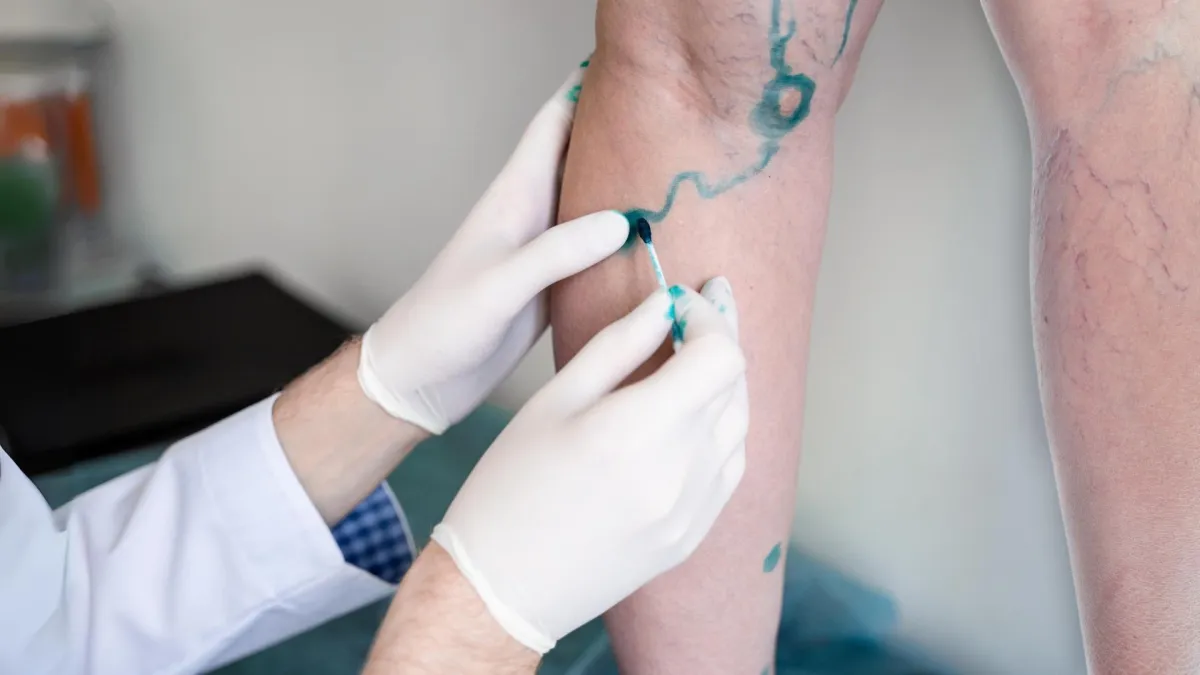
When vein valves weaken over time, blood pools in the extremities. This pooling creates varicose veins. The veins swell under pressure, and they become visible just beneath the skin.
As the condition progresses, patients may experience several uncomfortable side effects in their legs. Common symptoms include the following:
- Throbbing or burning sensations in the calves
- Muscle cramping during the night
- Swelling around the ankles and feet
These symptoms worsen after long periods of standing, so sitting down brings temporary relief.
Basics of Sclerotherapy Treatments
Sclerotherapy is a standard medical procedure for varicose veins, and it involves a specialized solution. When a doctor injects this liquid into the damaged vessel, it irritates the lining. The irritated vessel collapses. The blood routes through healthier pathways, and the body eventually absorbs the dead tissue.
For larger vessels, a specialist might use a foam solution instead of a pure liquid one. The foam expands out, so it covers more surface area inside the swollen vessel. Because the foam pushes blood out of the way, the medication touches the walls directly. This direct contact maximizes the therapeutic effect.
Details of Ablation Procedures
If a patient has thicker damaged veins, doctors perform an ablation procedure. This treatment uses heat to close the damaged pathways. A specialist inserts a tiny catheter into the leg, and they apply laser energy.
The heat destroys the wall of the vein, and the pathway seals shut completely. Your circulatory system redirects blood flow to functional veins. So that patients stay comfortable during ablation, doctors use local anesthesia.
Radiofrequency energy offers another option for this heating process. The catheter delivers radio waves into the tissue, which shrinks the targeted vessel. Both heating methods provide positive outcomes, and doctors choose the most effective option based on your anatomy.
Results and Recovery Timelines
Both procedures offer consistent results, and patients experience improvements within a few weeks. While some bruising occurs initially, it fades quickly during the healing process. Your doctor may recommend wearing compression stockings.
To have a smooth recovery and achieve the desired results after your treatment, it’s recommended to follow these guidelines:
- Wear compression stockings as advised to improve blood flow and reduce swelling during the healing process.
- Stay active but avoid strenuous activities, such as heavy lifting or high-impact exercise, for the first few weeks.
- Elevate your legs periodically to decrease swelling and promote proper circulation.
- Stay hydrated and maintain a healthy diet to support your body’s natural healing.
- Avoid prolonged periods of sitting or standing, as these can strain your veins.
By following these tips and adhering to your doctor’s instructions, you can maximize your recovery and enjoy long-lasting improvements in your vein health.
Treated vessels will not return after they fully close. New damaged vessels can still form later in life. You can manage future issues with follow-up appointments, and your specialist will monitor your leg health.
Find Treatment for Varicose Veins
Sclerotherapy uses specialized injections to close vessels, and ablation uses thermal energy to achieve the same outcome. Both treatments provide reliable relief from painful swelling. Because every patient has unique anatomy, a medical professional must evaluate your specific symptoms. If you want to learn more about varicose vein removal, consult a vascular specialist near you.